Guinea Pigs
Species-Appropriate Keeping – How They Thrive
Happy together
Guinea pigs should never live alone. Two animals are the minimum; small groups are ideal as long as there is enough space available.
More space, more exercise
A cage with a place to retreat (at least 120 × 60 × 50 cm) plus a freely accessible run with at least 2 m² for two animals; for each additional animal, +0.5 m².
Variety is essential
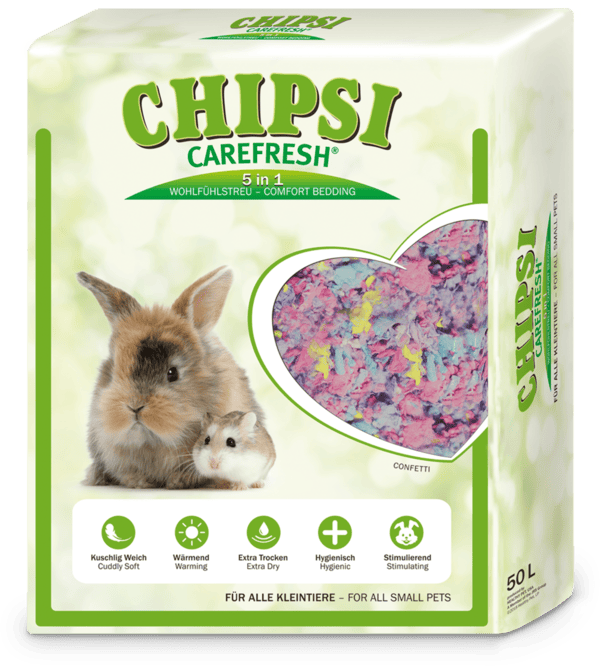
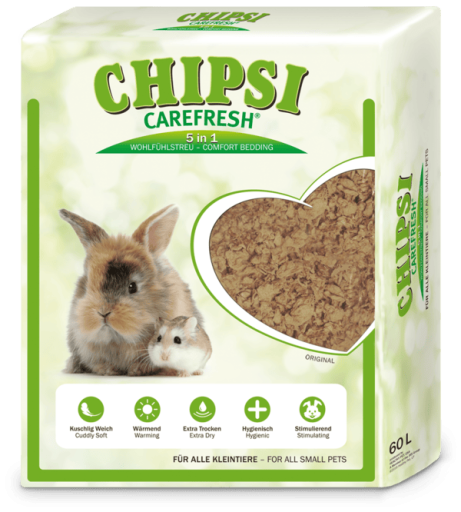
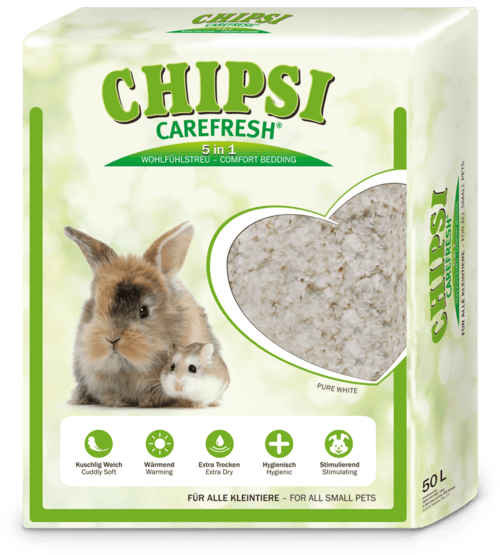
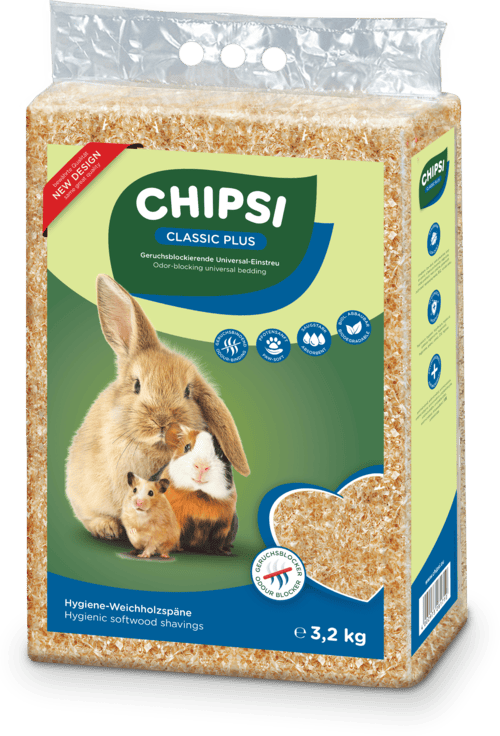
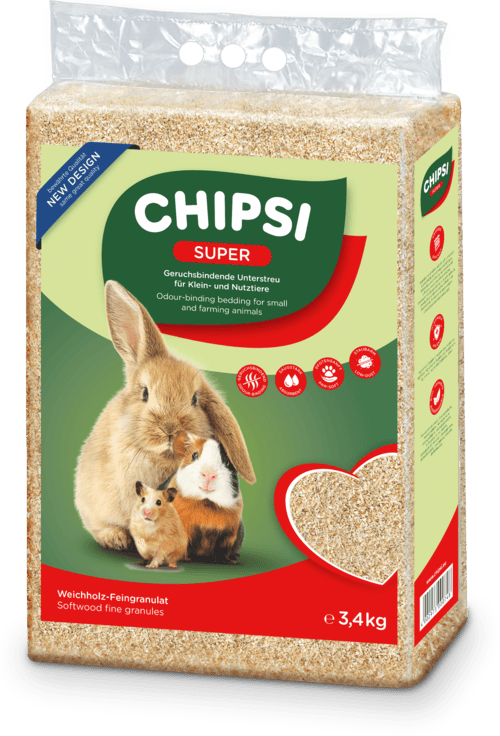
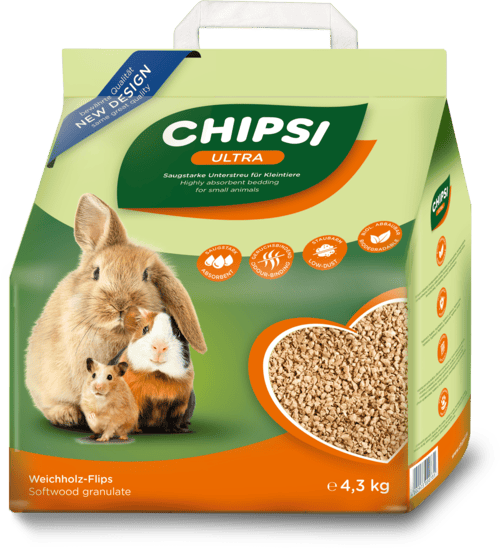
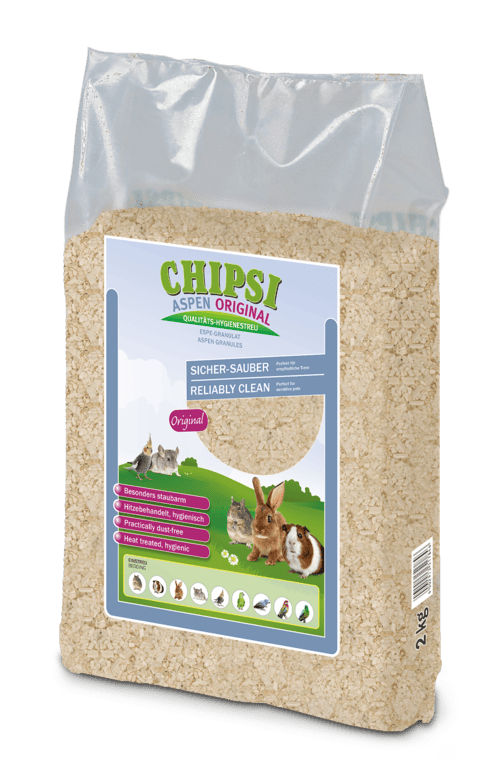
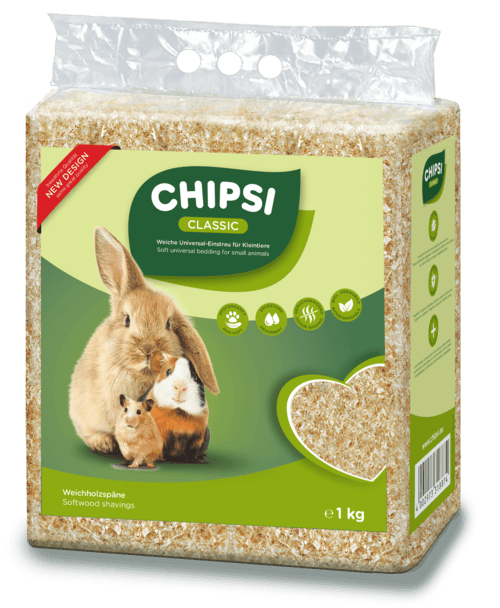
Caves, tunnels, hay racks, shelters, and sleeping houses create structure and provide activity. The floor should be covered with at least 5 cm of soft bedding.
Outdoors only in summer
Outdoor keeping is possible, but only in the warm season, with well-insulated shelters and a secured run.

cleanliness and hygiene
🧼 Weekly change
👃 Fresh indoor climate
Guinea pigs are particularly dependent on a clean home, as they are sensitive to moisture and dirty surfaces. Regular cleaning helps to avoid unpleasant odors, and diseases are effectively prevented.
Check regularly
Damp bedding in the corners of the toilets should be removed daily. This prevents bad odors and protects your animals from disease.
Renew the substrate
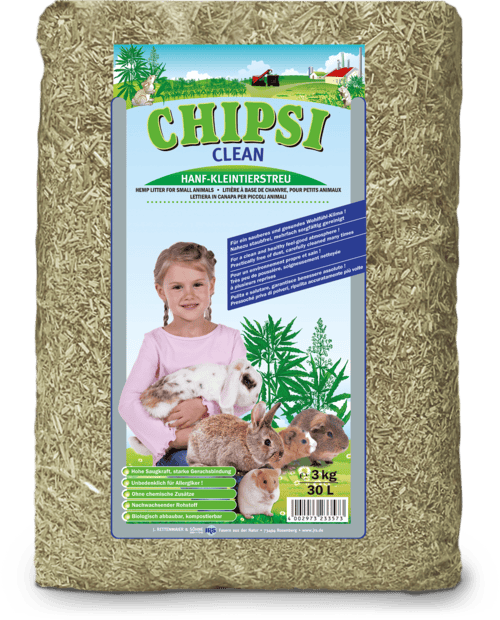
Change the entire floor covering once a week. Ideally, use at least 5 cm of litter so that the guinea pigs lie soft and dry.
Healthy living environment
A clean enclosure is important for hygiene and well-being. It prevents stress, protects against infection, and ensures pleasantly fresh air.

Nutrition
🥦 Variety of vegetables
🍊 Vitamin C source
Fresh hay must always be available; it is the most important staple food and supports digestion and tooth abrasion. It is supplemented by fresh green fodder such as grasses, herbs or suitable leafy vegetables, as well as small portions of vegetables such as peppers. Fresh food rich in vitamin C is essential, as guinea pigs cannot produce it themselves.
Hay around the clock
Fresh hay is the most important staple food. It supports digestion, promotes tooth abrasion and must always be available.
Feed a varied diet
Grasses, herbs and leafy vegetables provide variety on the menu. Small portions of vegetables are possible; fruit only very sparingly. However, many pelleted mixtures, grain-containing food, alfalfa products, as well as treats or salt licks are unsuitable, as they are often too high in sugar or energy or have unfavorable mineral contents.
Vitamin C is a must
Guinea pigs cannot produce vitamin C themselves. To prevent deficiency symptoms, fresh food rich in vitamins is therefore essential.

Activities
🏰 Hiding places and tunnels
🌿 Chewing material
Guinea pigs like to explore their surroundings, run small laps, and look for new hiding places. Houses, willow tunnels, food hiding places, and fresh gnawing material offer natural stimuli and promote movement, even indoors.
Joy of discovery
Guinea pigs like to run small laps and explore their surroundings. Regular exercise is important for their health and well-being.
Hiding places create excitement
Houses, willow tunnels, and shelters provide variety. They make the enclosure more exciting and promote the animals’ natural searching and escape behavior.
Nibbling allowed
Fresh wood and other gnawing materials belong in the enclosure. This keeps the animals busy, trains their teeth, and promotes their activity.